Monthly Quiz 
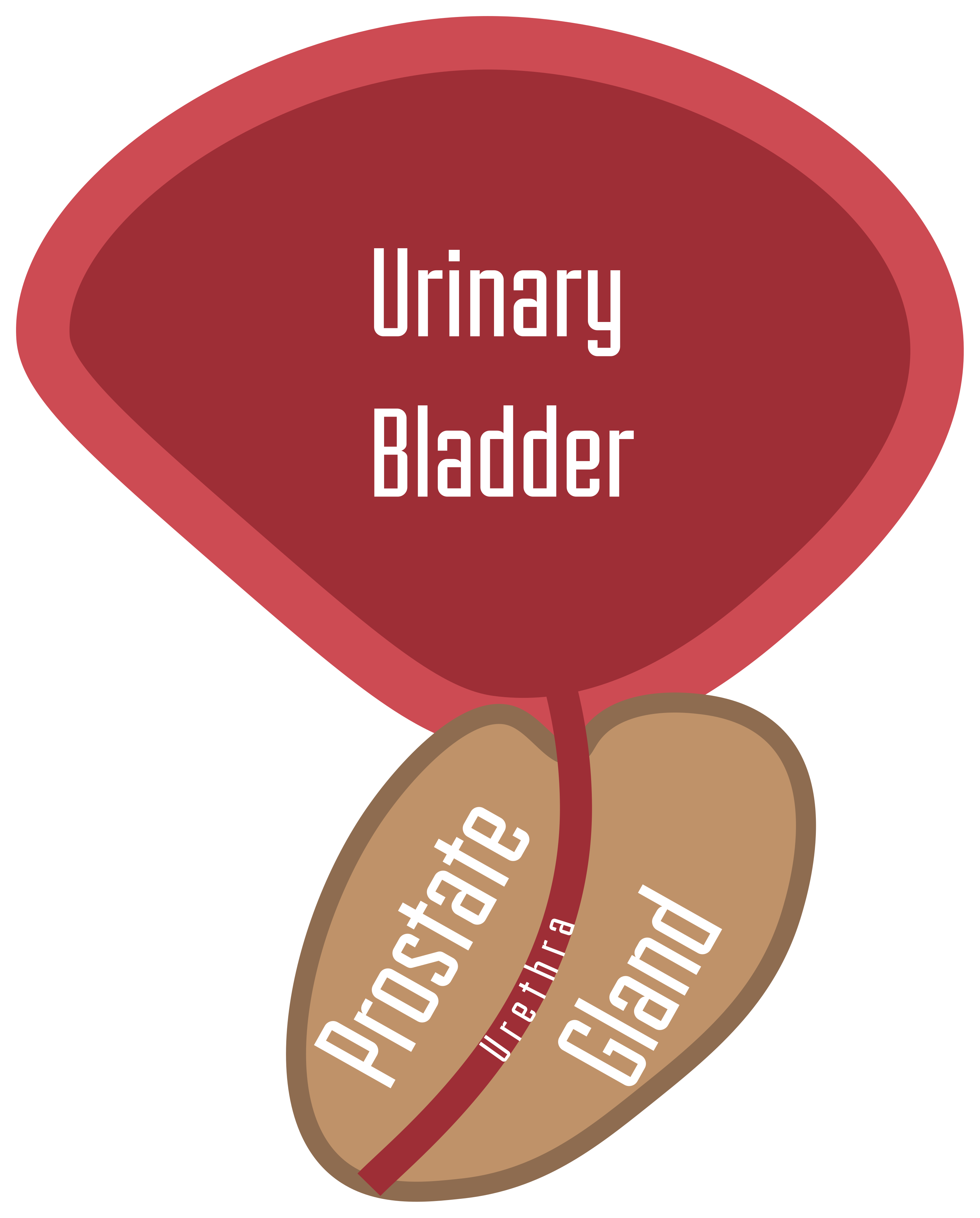
Anatomy spotlight
What is the female analogue of the prostate gland?
Select one answer.

August 2026
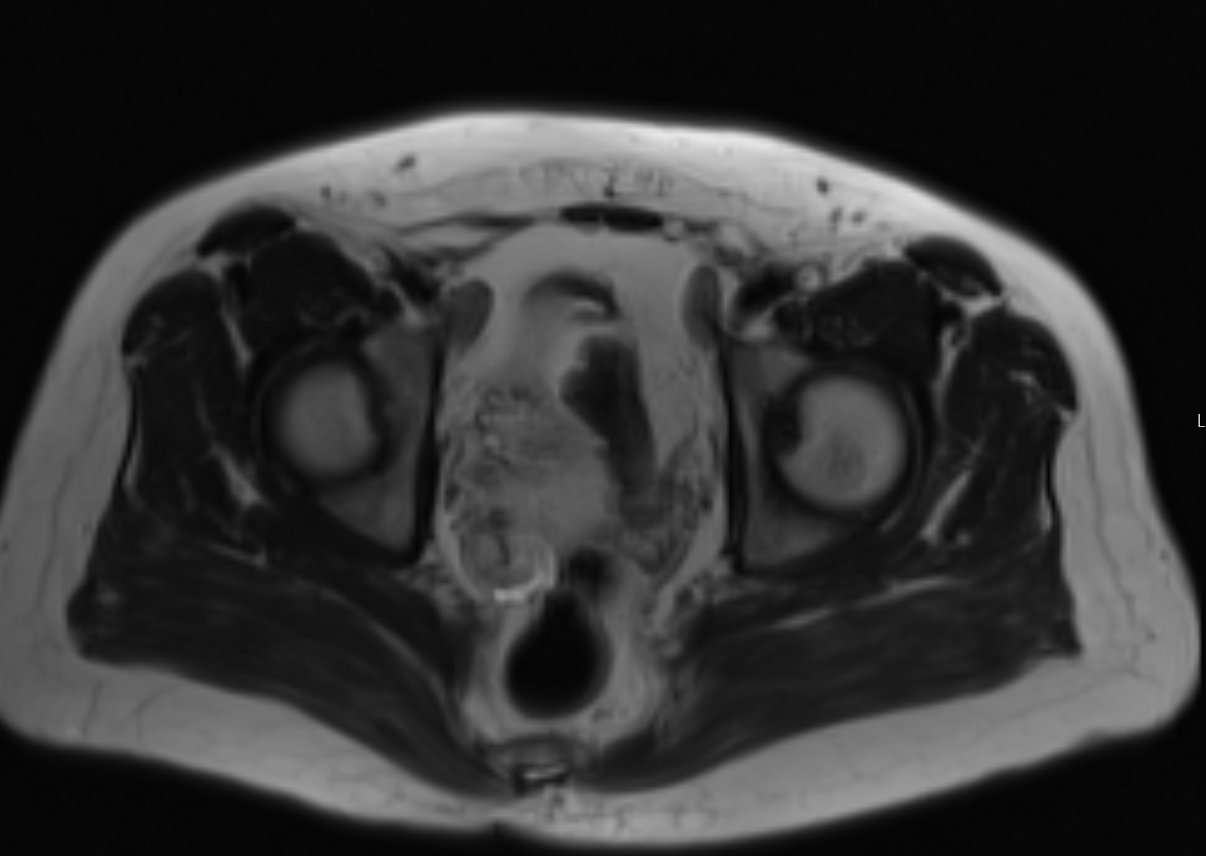
A suspicious lymph node is highlighted near the inguinal ligament. What is the correct staging implication in prostate cancer?
Select one answer.
August 2026
Monthly Quiz: What Drives the Score?
Review the images, assign an overall PI-RADS category, and identify the sequence that drives the assessment.
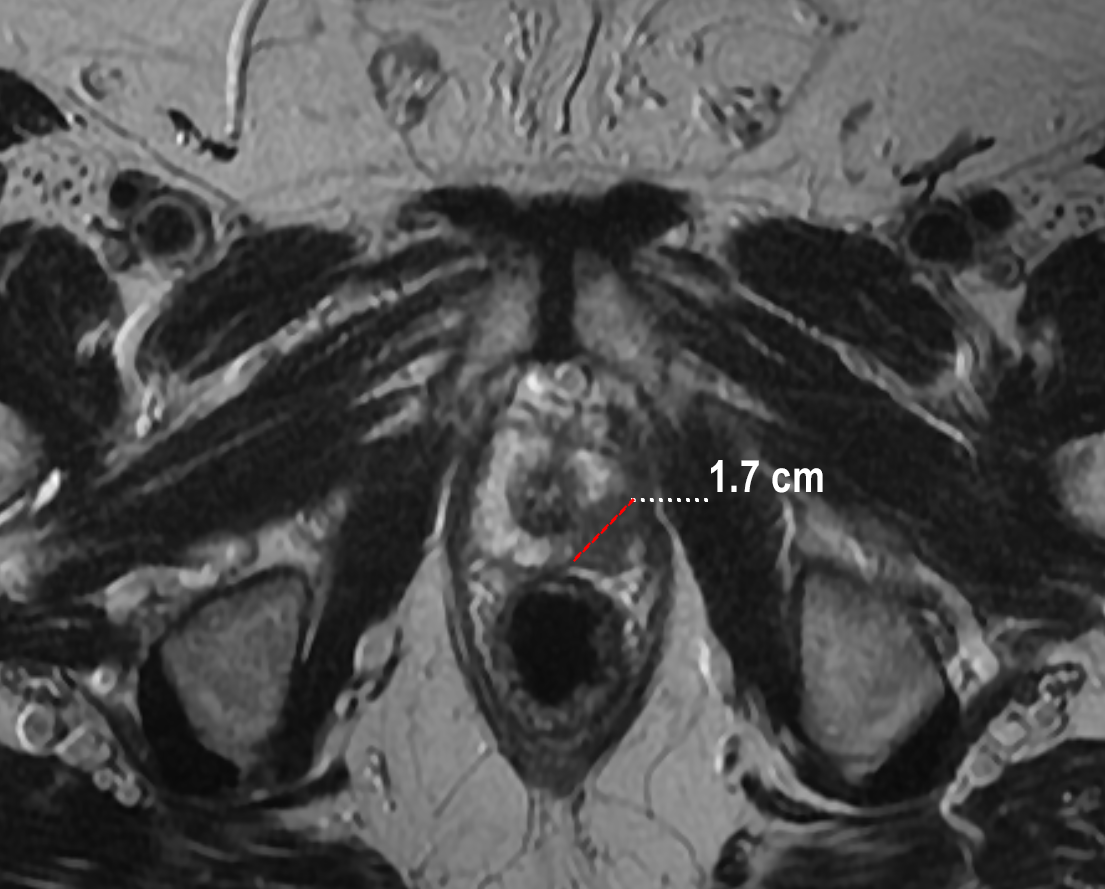
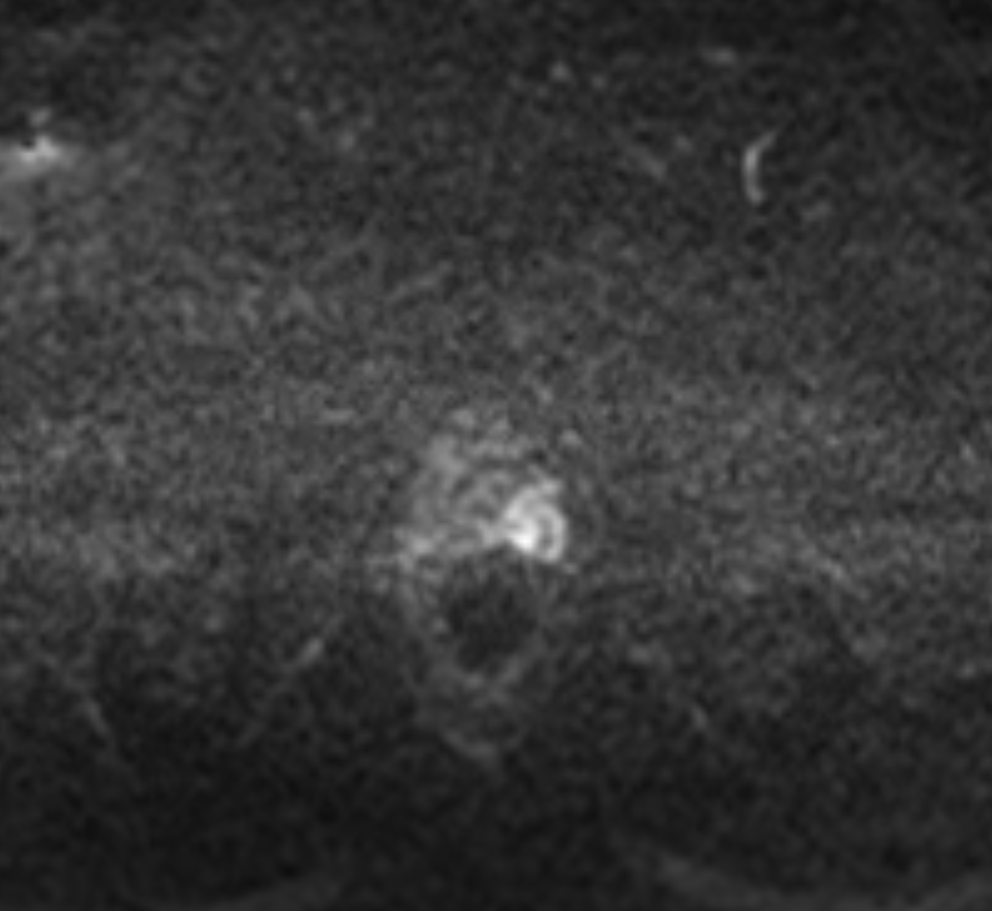
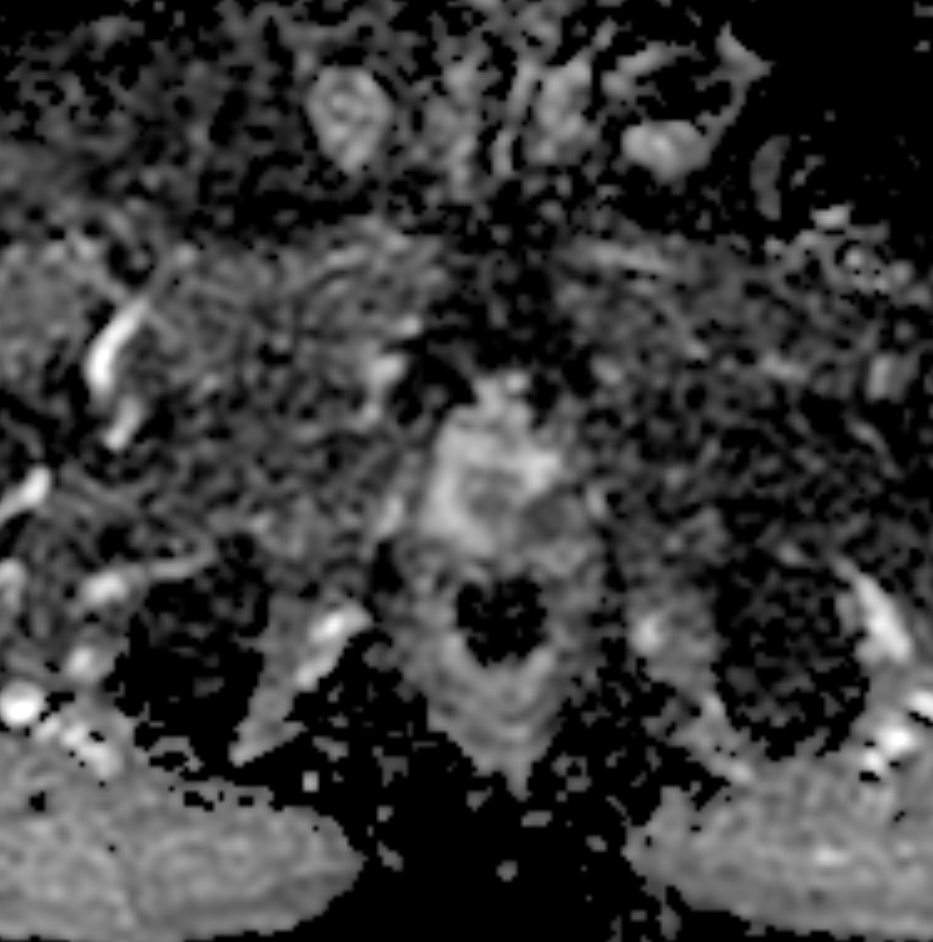
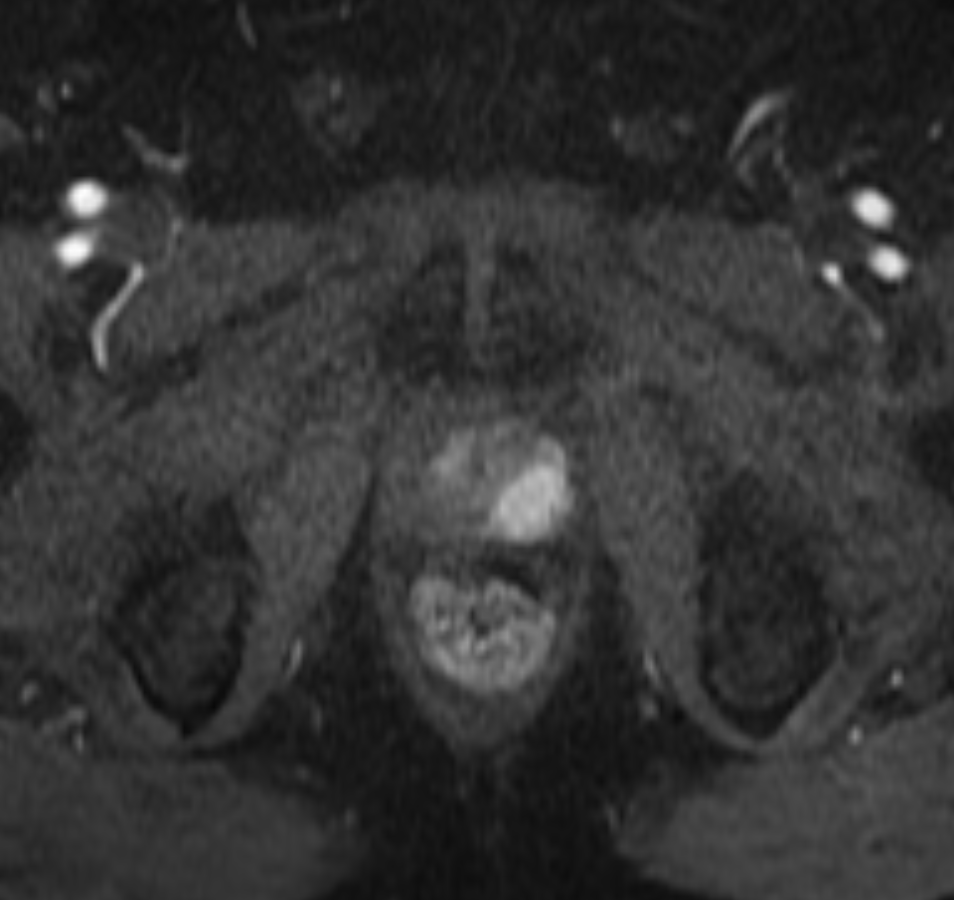
What is the overall PI-RADS assessment category?
Select one answer.
Which is the dominant sequence for assigning the PI-RADS category in this peripheral-zone lesion?
Select one answer.
July 2026
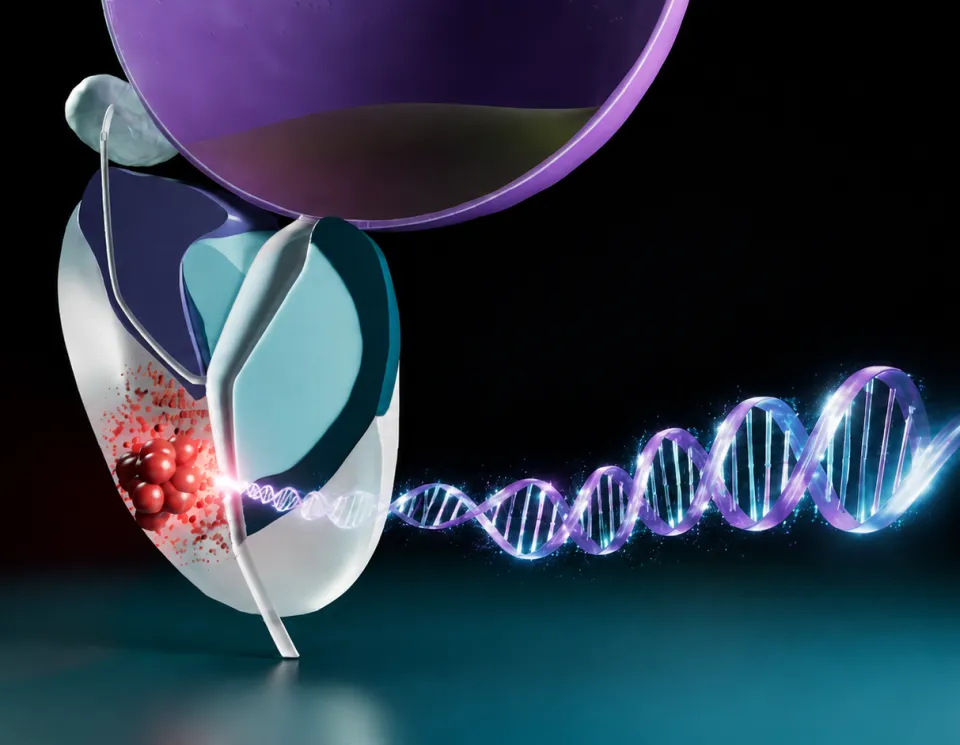
All of the following are tissue-based prostate cancer risk tests performed on prostate biopsy material, EXCEPT:
Select the one exception.
May 2026
Which patterns are most suspicious for clinically significant prostate cancer?
Select all that apply.
Previous question
Which zone of the prostate contains the largest glandular component and is the most common site of prostate adenocarcinoma?
Click the correct unlabeled region on the schematic.
Monthly Prostate MRI Quiz: About This Resource
This monthly quiz is designed to help radiologists and radiology trainees reinforce prostate MRI interpretation skills through case-based questions. Topics rotate across the core domains of prostate MRI practice: PI-RADS v2.1 scoring, prostate zonal anatomy, active surveillance MRI, post-treatment imaging, image quality assessment, and emerging genomic and risk tools. Questions use original schematic educational graphics created specifically for this resource.
Who this quiz is for
Questions are written at the level of a practicing radiologist or a senior resident preparing for practice. They are not designed as board-examination preparation and do not target memorization of thresholds in isolation. Instead they focus on the reasoning behind scoring decisions: why DWI drives the peripheral zone pathway, why T2 morphology drives transition zone scoring, why PSA density changes the management of equivocal findings, and how post-treatment tissue changes alter the expected MRI appearance. Each question includes a feedback explanation that connects the answer to the underlying concept.
How to use the quiz
A new question or set of questions is added each month. Previous months' questions remain on the page. Use the feedback panel to review the concept even if you answered correctly; the explanation often highlights a subtlety or common pitfall worth reinforcing. Questions are reset at any time with the reset button. This resource is educational only and does not confer CME credit.
About This Quiz: Frequently Asked Questions
How often is the quiz updated?
What level of radiologist is this quiz designed for?
Does completing the quiz earn CME credit?
Can I share or use the quiz graphics?
Reviewed by Nick Shaheen, MD, board-certified radiologist