Prostate MRI Toolkit 
Interactive prostate MRI workflow support
Practical tools for prostate MRI interpretation.
An educational workspace with calculators, anatomy guides, scoring assistants, and pop quizzes to help make prostate MRI easier to interpret, teach, and learn.
What's New
View all →Toolkit
PSA Density Pro
Calculate prostate volume and PSA density, then generate a clean report phrase.
PI-RADS Assistant
Descriptor-driven PI-RADS scoring with a concise PI-RADS v2.1 quick guide.
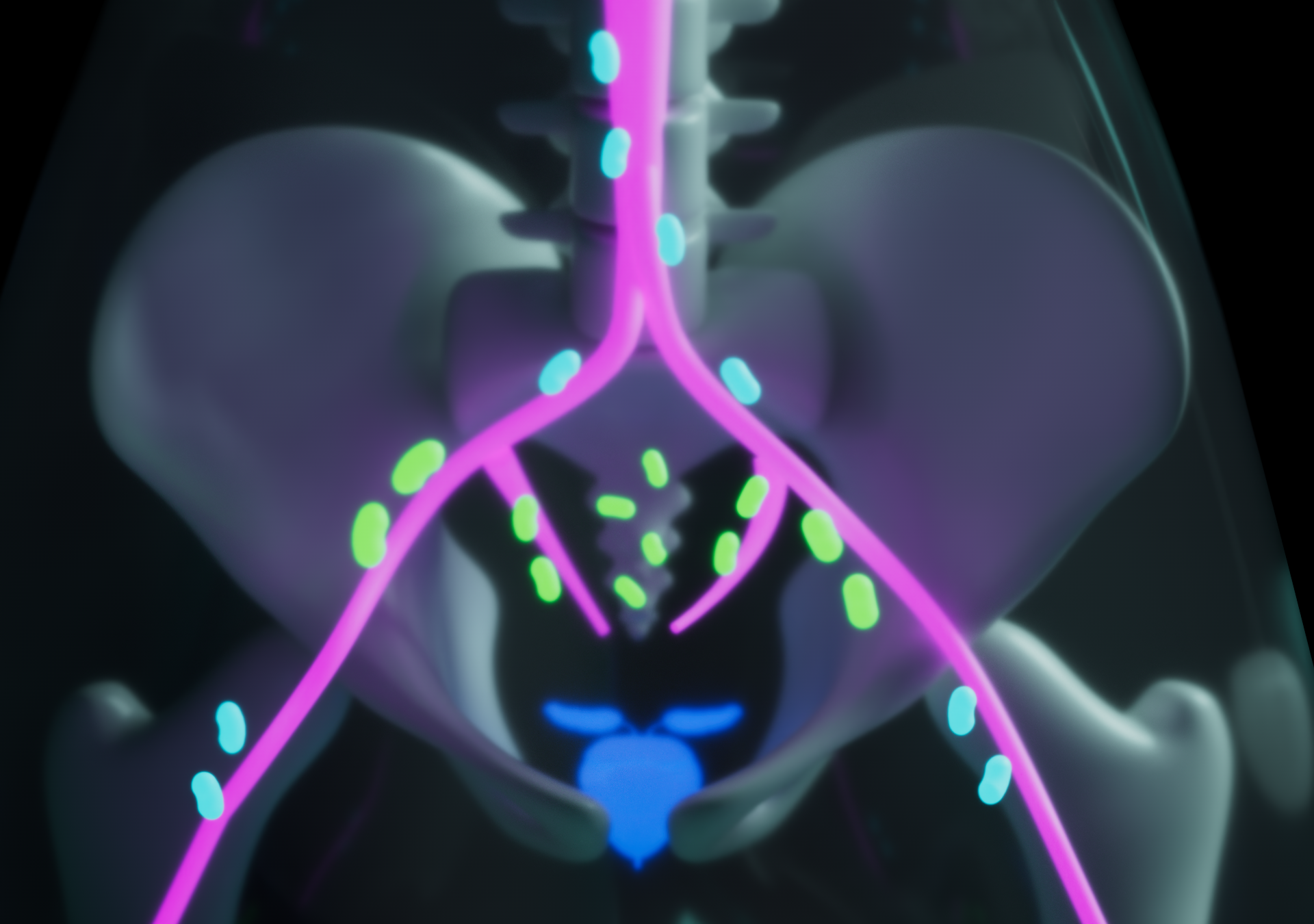
Nodal Staging
Identify regional and nonregional nodal stations and their N1 or M1a staging implications.
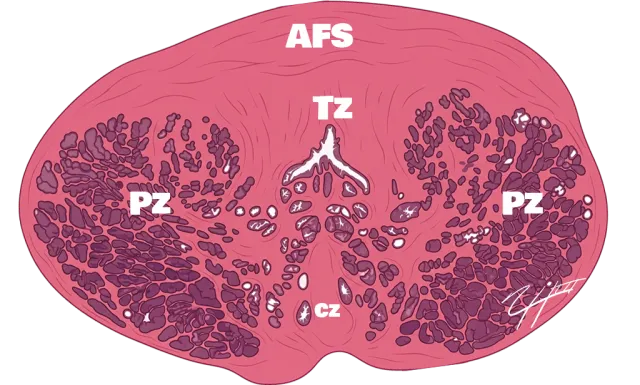
Anatomy Assistant
Review zonal anatomy.

Post-Treatment MRI Assistant
Review post-treatment recurrence assessment patterns for prostate MRI.

PRECISE Assistant
Review follow-up response patterns using PRECISE-style assessment logic.

Prostate MRI Protocol Builder
Generate a practical prostate MRI protocol based on the clinical scenario, scanner, protocol type, and special acquisition considerations.

PI-QUAL Assistant
Assess prostate MRI technical quality using PI-QUAL v2-style logic.

Monthly Quiz
Monthly pop quiz.

Prostate Risk Tools
A quick reference for PI-RADS, PSA density, genomic classifiers, and risk stratification.

Articles
Short, practical prostate MRI articles for teaching, reporting, and workflow support.

References & More
Find core references, source documents, and expanded educational articles.
What is the Prostate MRI Toolkit?
Prostate MRI Toolkit is a free, browser-based educational resource for radiologists, radiology residents and fellows, urologists, and other clinicians involved in prostate MRI interpretation and prostate cancer management. All tools run locally in the browser, with no login, no account, and no patient data entry required.
The site is organized around PI-RADS v2.1 (the Prostate Imaging Reporting and Data System, version 2.1), the international consensus framework that defines how clinicians evaluate prostate lesions on multiparametric MRI. PI-RADS assigns assessment categories from 1 to 5 based on lesion characteristics on T2-weighted imaging, diffusion-weighted imaging (DWI), and dynamic contrast-enhanced (DCE) sequences. Scoring rules differ by lesion location: peripheral zone lesions are driven primarily by DWI, while transition zone lesions are driven primarily by T2-weighted imaging. These zone-specific distinctions are easy to confuse and matter significantly in practice.
Quality Toolkit
Before scoring a prostate MRI, it is worth verifying that image quality is sufficient for diagnostic assessment. Inadequate DWI, motion artifact, or missing sequences can undermine the reliability of any PI-RADS score assigned from the examination. The PI-QUAL Assistant uses PI-QUAL v2-style descriptor logic to document sequence-specific quality and identify technical limiting factors.
Interpretation
The core reading workflow. PSA density, defined as prostate-specific antigen (PSA) divided by prostate volume in cc, is a key risk modifier that adjusts the clinical significance of any PI-RADS category. PSA Density Pro calculates PSA density using ellipsoid or bullet volume formulas and generates a report-ready phrase. The PI-RADS Assistant then provides zone-specific, descriptor-driven scoring logic alongside a built-in PI-RADS v2.1 quick reference.
Surveillance & Follow-up
Patients returning for active surveillance or post-treatment evaluation require different frameworks than primary diagnostic MRI. The PRECISE scoring system tracks change in lesion appearance across serial MRI examinations in men on active surveillance. For patients after radiation therapy, radical prostatectomy, or focal ablation, PI-RR and PI-FAB provide structured approaches to recurrence assessment. The Post-Treatment MRI Assistant routes cases to the appropriate scoring system.
Learning
Correct PI-RADS scoring depends on accurate lesion localization, which requires a firm grasp of prostate zonal anatomy. The Anatomy Assistant provides scrollable, annotated anatomy diagrams for zone and localization review. The Articles page collects short educational pieces on PI-RADS, PSA density, PRECISE, post-treatment MRI, and emerging techniques. The Monthly Quiz offers a rotating prostate MRI question for self-assessment. References lists the primary source documents used throughout the toolkit.
All content on this site is provided for medical education and workflow support only. Tools are not medical devices and should not be used as the sole basis for clinical decisions. See the full medical disclaimer for details.