Prostate Anatomy Overview 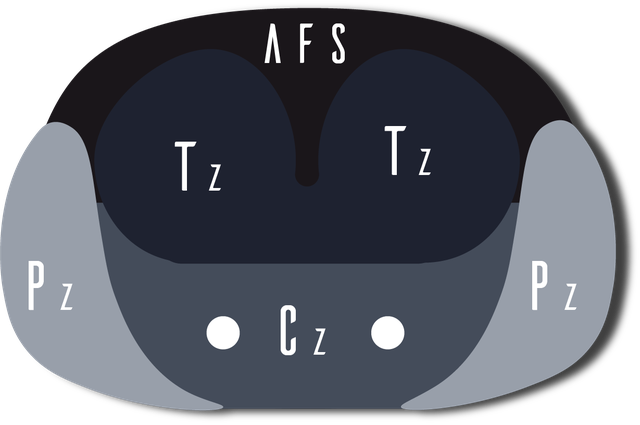
Key anatomic zones and MRI interpretation pearls for prostate MRI.
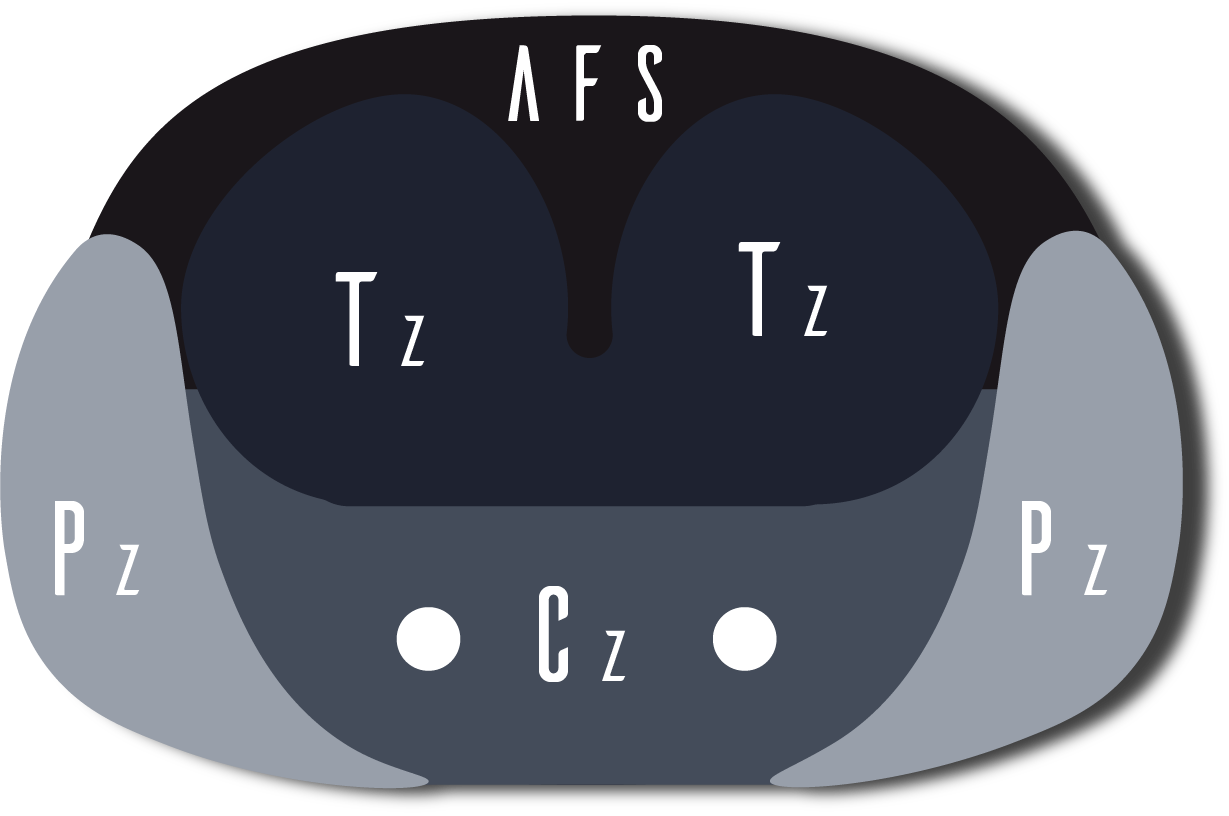
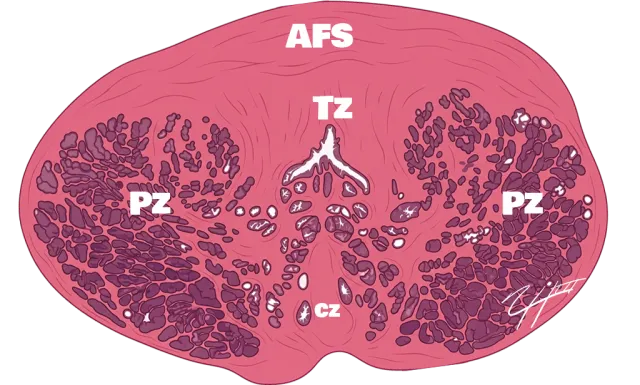
Peripheral Zone (PZ)
- Largest prostatic zone.
- Approximately 70% glandular tissue.
- Most prostate cancers originate in the peripheral zone, approximately 70%.
- Typically high T2 signal unless replaced by tumor or prostatitis.
Transition Zone (TZ)
- Composed of approximately 60% stromal tissue and 40% glandular tissue.
- Site of benign prostatic hyperplasia.
- Approximately 20% of prostate cancers arise in the transition zone.
- Can appear heterogeneous due to BPH nodules and stromal hyperplasia.
Central Zone (CZ)
- Approximately 25% glandular tissue.
- Only 1–5% of prostate cancers originate in the central zone.
- Typically symmetric and relatively low T2 signal.
- Can occasionally mimic malignancy at the prostate base.
Periurethral Zone & Anterior Fibromuscular Stroma
- Rare site of prostate cancer origin.
- Predominantly fibromuscular tissue with low T2 signal.
- The prostate has no true capsule; the so-called capsule represents a fibromuscular pseudocapsule.
- The pseudocapsule is incomplete anteriorly and at the apex.
Peripheral Zone vs Transition Zone Lesions
Lesion location changes the PI-RADS pathway: peripheral zone lesions are primarily assessed by DWI/ADC, while transition zone and anterior lesions are primarily assessed by T2 morphology. Read the overview of why zone location matters. For a concise scoring refresher, see the PI-RADS v2.1 Quick Guide.
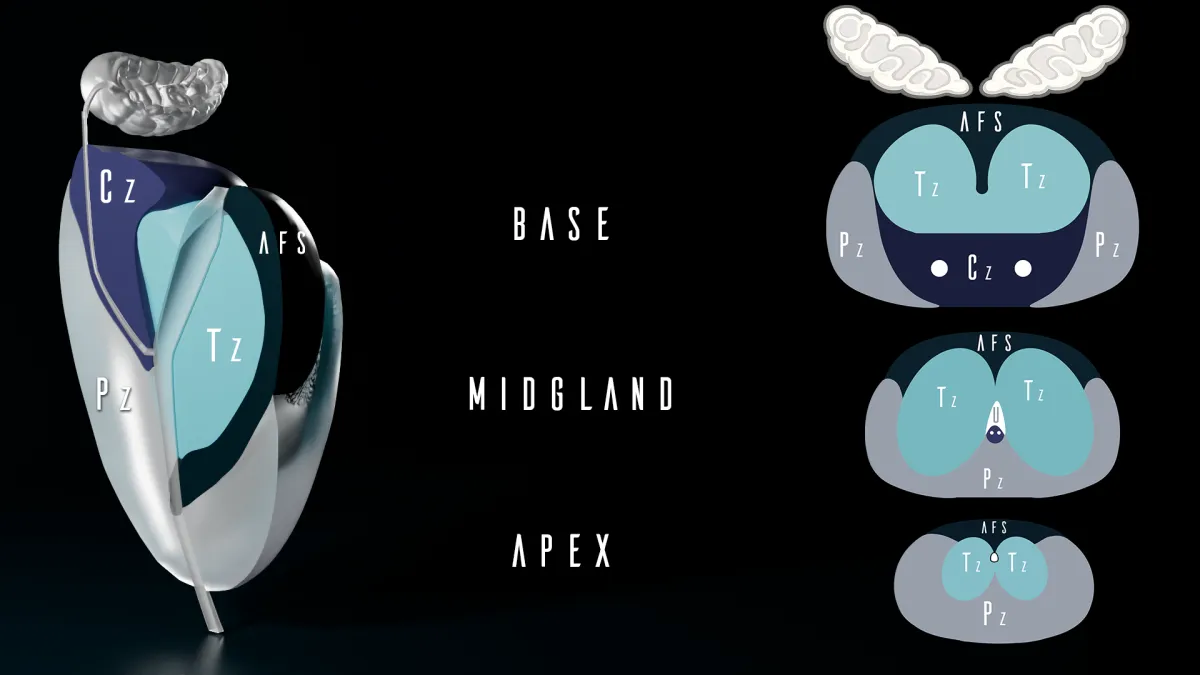
PI-RADS v2.1 Sector Map
PI-RADS v2.1 divides the prostate into the base, midgland, and apex along the craniocaudal axis. Within each level, lesions are localized by side and by anterior-versus-posterior position to create a standardized sector map. The zonal anatomy within those sectors, including the peripheral zone, transition zone, central zone, and anterior fibromuscular stroma, helps further refine lesion location. This framework improves communication, supports targeted biopsy and treatment planning, and makes follow-up comparisons more consistent.
Periprostatic Anatomy
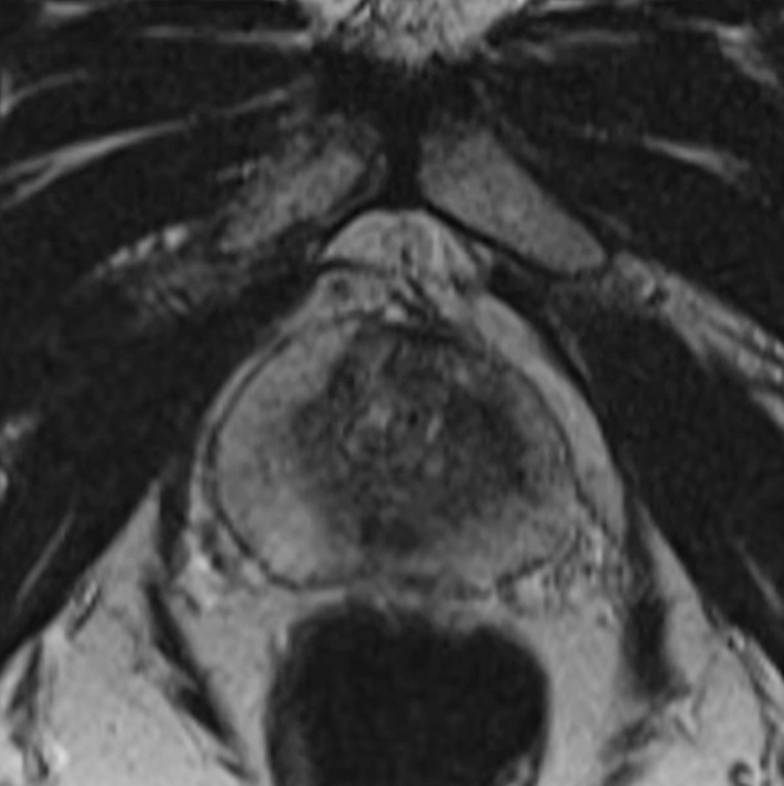
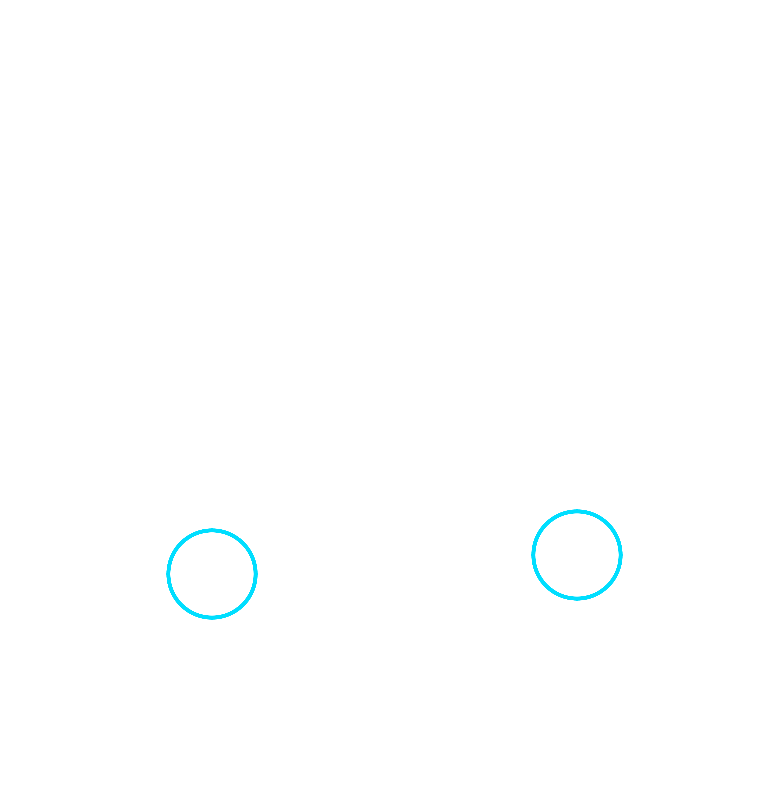
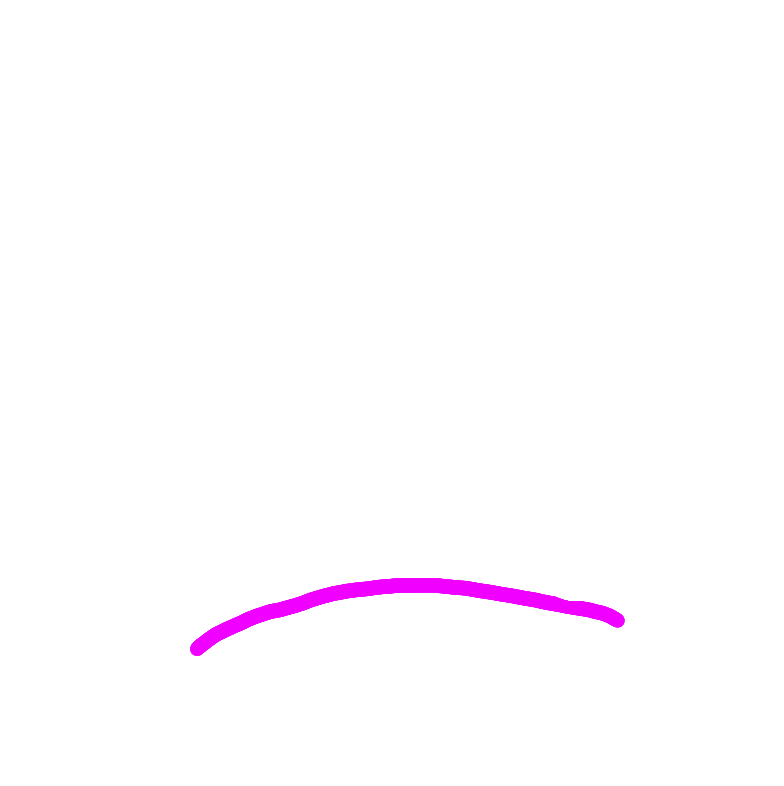
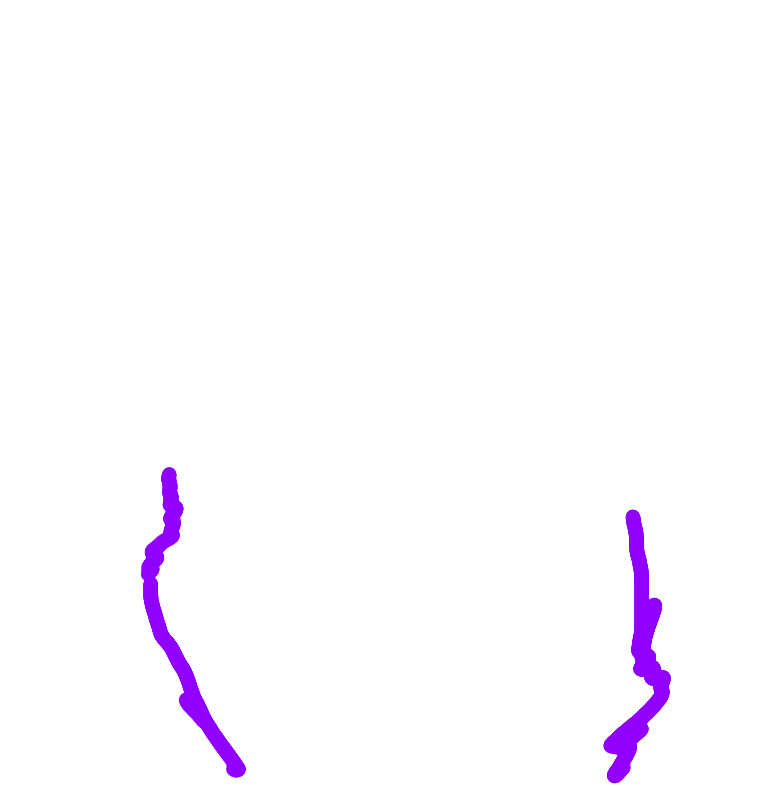

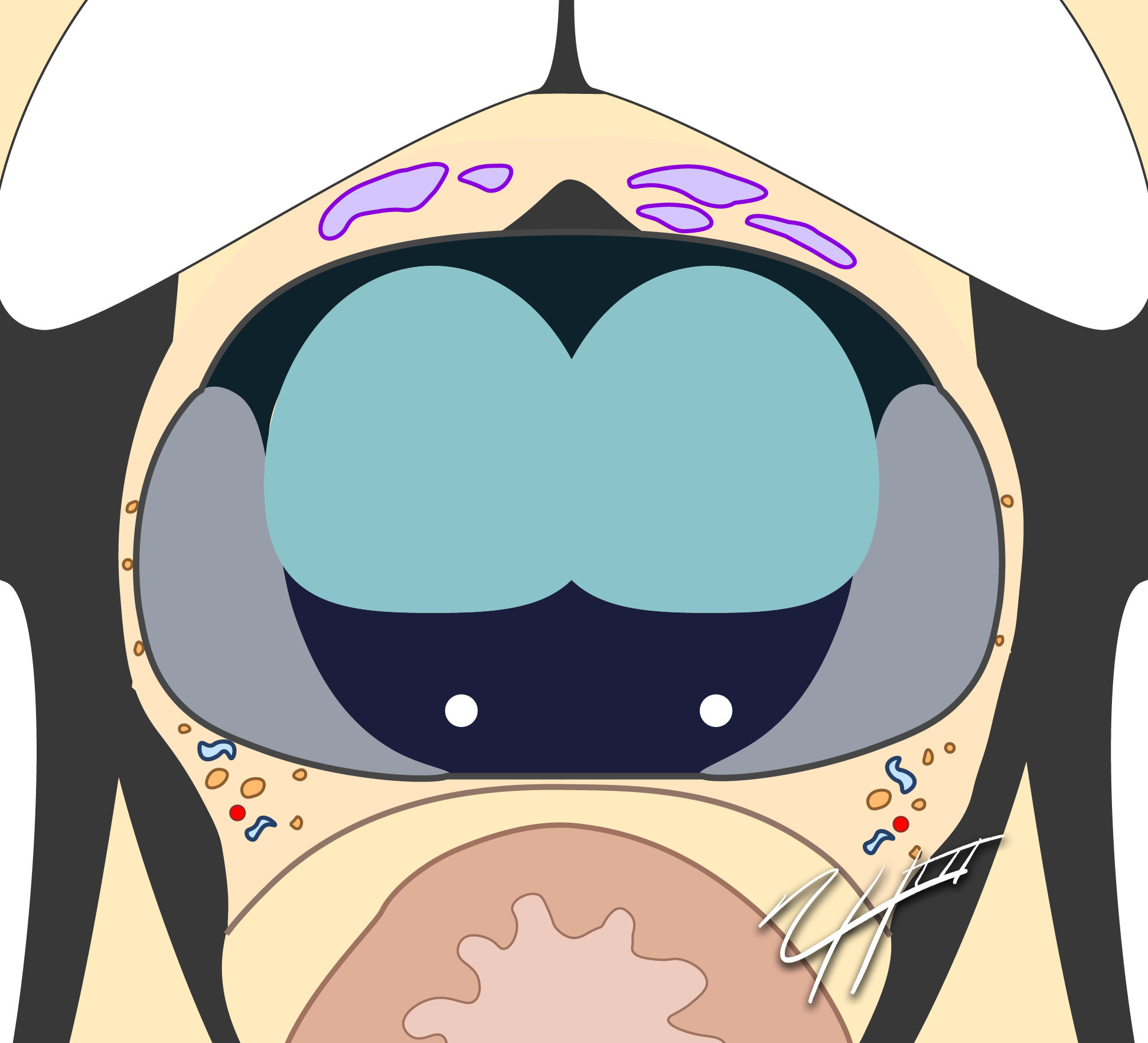












Drag to compare the MRI with the illustration. Hover or tap a highlighted structure, or a card at right, to identify it.
Neurovascular Bundles
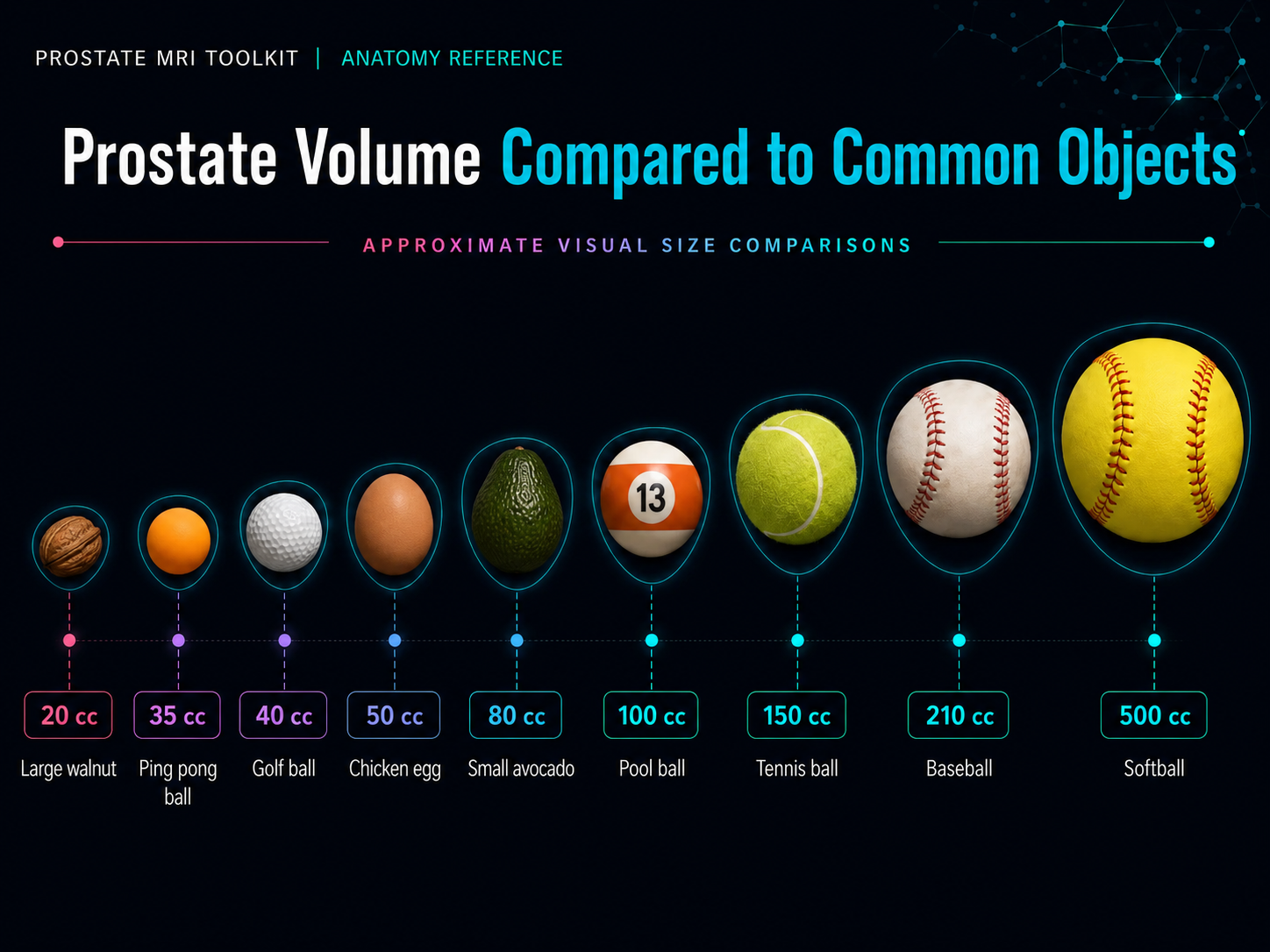
Approximate comparisons only. Prostate shape varies and is not perfectly spherical.
Prostate Zonal Anatomy: Why It Matters for MRI Interpretation
Accurate prostate MRI reporting depends on a solid understanding of zonal anatomy. The prostate is not a homogeneous organ; it is divided into distinct zones that differ in tissue composition, T2 signal characteristics, cancer prevalence, and PI-RADS scoring logic. Getting the zone right is the first step in assigning the correct dominant sequence and avoiding misinterpretation.
Peripheral zone (PZ)
The peripheral zone makes up the posterolateral and apical portions of the prostate and accounts for approximately 70% of all prostate cancers. On T2-weighted imaging, normal peripheral zone tissue is uniformly high signal. This high background signal makes focal T2 hypointensity and DWI restriction visible and suspicious. For this reason, DWI/ADC is the dominant sequence for peripheral zone lesion scoring in PI-RADS v2.1.
Transition zone (TZ) and anterior fibromuscular stroma (AFS)
The transition zone surrounds the urethra and is the site of benign prostatic hyperplasia. Its heterogeneous appearance on T2 (with islands of glandular hyperplasia nodules interspersed with dense stroma) creates background diffusion restriction that reduces the specificity of DWI for detecting the approximately 20% of cancers that arise here. T2 morphology is therefore the dominant sequence for transition zone and anterior lesions in PI-RADS. The anterior fibromuscular stroma occupies the anterosuperior gland and has intrinsically low T2 signal, with rare but important cancer occurrence.
Central zone (CZ)
The central zone is a wedge-shaped region at the prostate base surrounding the ejaculatory ducts. It accounts for only 1–5% of prostate cancers but is important because its naturally low, heterogeneous T2 signal (and occasional asymmetry) can mimic malignancy. Recognizing the central zone at the base of the gland and correlating with the ejaculatory duct anatomy prevents false-positive reporting.
Prostate Anatomy: Frequently Asked Questions
Why does the PI-RADS scoring pathway differ between the peripheral zone and the transition zone?
What is the PI-RADS v2.1 sector map and why is it used?
How can I distinguish the central zone from tumor at the prostate base?
What is the anterior fibromuscular stroma and does cancer occur there?
Reviewed by Nick Shaheen, MD, board-certified radiologist